


sustainability surely begins at home, all the way through your kitchen. Being sustainable means more than just carrying tote bags, wearing environmentally friendly outfits, incorporating the environment into your work, and participating in many such initiatives it also means eating in a way that is healthy for you and your environment
What is sustainable eating?
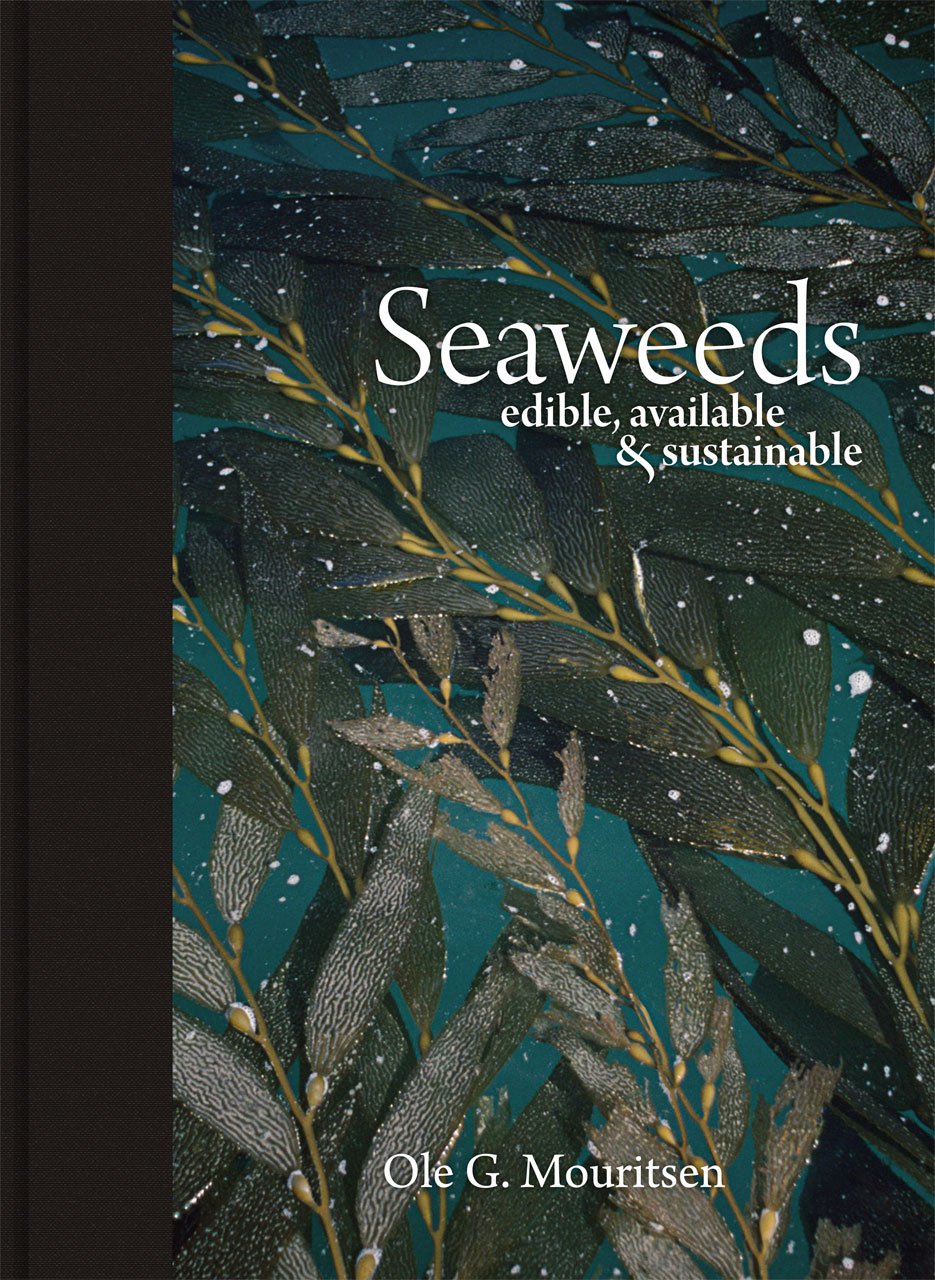
Sustainable eating refers to a way of eating that supports the health of both the environment and the individual. It involves making food choices that promote long-term sustainability and reduce negative impacts on the environment, while also supporting human health and well-being.
Sustainable eating typically involves choosing foods that are:
- Locally sourced: Eating food that is grown or produced locally can help reduce the carbon footprint associated with transportation.
- Seasonal: Choosing foods that are in season can also help reduce carbon emissions associated with long-distance transportation and storage.
- Plant-based: Eating a plant-based diet, or at least reducing the number of animal products consumed, can help reduce greenhouse gas emissions associated with animal agriculture.
- Organic: Choosing organic foods can help reduce the number of pesticides and other chemicals used in food production, which can be harmful to the environment and human health.
- Fairly traded: Choosing foods that are fairly traded can help ensure that producers are paid a fair price for their products and can help support sustainable and equitable farming practices.
Overall, sustainable eating is about making choices that promote the health of both people and the planet, while also supporting local communities and economies.
what all foods contribute towards sustainable eating?

There are many different types of foods that can contribute to sustainable eating. Here are some examples:
- Whole grains: Choosing whole grains such as quinoa, brown rice, and whole wheat bread can help reduce the environmental impact of food production, while also providing essential nutrients and fiber.
- Legumes: Legumes such as lentils, chickpeas, and beans are a great source of plant-based protein and fiber, and they require fewer resources to grow than animal products.
- Locally grown fruits and vegetables: Choosing fruits and vegetables that are grown locally can help reduce the carbon footprint associated with transportation.
- Sustainable seafood: Choosing sustainably sourced seafood can help support healthy ocean ecosystems and protect marine biodiversity.
- Grass-fed meat: If you choose to eat meat, opting for grass-fed meat can help support sustainable agriculture practices and reduce greenhouse gas emissions associated with conventional animal agriculture.
- Organic and non-GMO products: Choosing organic and non-GMO products can help reduce the number of harmful chemicals used in food production, while also supporting sustainable farming practices.
- Plant-based milk alternatives: Choosing plant-based milk alternatives such as soy, almond, or oat milk can help reduce greenhouse gas emissions associated with animal agriculture.
Overall, a sustainable diet is diverse, nutrient-rich, and focused on whole, minimally processed foods. It is also mindful of the environmental impact of food production and supports sustainable farming practices.
How can seaweed be a super contributor to sustainable eating?

Seaweed can be a super contributor to sustainable eating in several ways:
- Low environmental impact: Seaweed requires no fresh water or arable land to grow, making it a highly sustainable food source. It also absorbs carbon dioxide and other greenhouse gases, helping to mitigate climate change.
- High in nutrients: Seaweed is a rich source of vitamins, minerals, and antioxidants, making it a nutritious addition to the diet. It is especially high in iodine, which is important for thyroid function.
- Versatile: Seaweed can be used in a variety of dishes, from soups and salads to sushi and snacks.
- Can replace less sustainable ingredients: Seaweed can be used as a replacement for less sustainable ingredients such as salt, which requires energy-intensive processes to extract, or animal products, which have a high environmental impact.
- Supports local economies: Seaweed farming can provide income and employment opportunities for coastal communities, especially in areas where traditional fishing and agriculture are declining.
Overall, incorporating seaweed into the diet can be a sustainable and nutritious choice. However, it is important to choose seaweed that is sustainably sourced and to be mindful of potential contaminants such as heavy metals or pollutants.
How can I incorporate seaweed to support sustainability

There are many ways you can incorporate seaweed into your diet to support sustainability. Here are a few ideas:
- Try seaweed snacks: Seaweed snacks are widely available and come in a variety of flavours. They make a great snack that is both tasty and nutritious.
- Use seaweed as a seasoning: Dried seaweed can be ground into a powder and used as a seasoning for soups, stews, and salads. It can add a savoury, umami flavour to dishes.
- Make seaweed salad: Seaweed salad is a popular dish in Japanese cuisine and can be made at home using dried seaweed, sesame oil, vinegar, and other seasonings.
- Add seaweed to smoothies: Seaweed can be added to smoothies to boost their nutritional value. Try blending a handful of dried seaweed with your favourite fruits and vegetables for a nutritious and sustainable breakfast or snack.
- Use seaweed in sushi: Seaweed is a key ingredient in sushi and can be used to make vegetarian or vegan sushi rolls. You can also use seaweed as a replacement for less sustainable ingredients such as soy sauce or salt.
- Cook with seaweed broth: Seaweed broth can be used as a base for soups and stews, adding a rich flavour and nutritional benefits.