


How did HBO’s Euphoria cause an imposter syndrome in Gen-Z
Y2K fashion, glitter eye make-up, bold colour choices, “Out of sight, out of mind”. Did either of these things take you back to that one HBO special which has changed the fashion and the make-up industry forever?
“Euphoria” is its name. Euphoria as a form of content took social media by storm in terms of the attitudes, perceptions, fashion choices, trends in make-up, philosophies, racism, body-shaming, drug addiction, red flags, toxic masculinity and every possible subject one can think of in a way that the thin line between it being a non-fictional show with non-fictional characters also looked like it was slowly disappearing.
How did the show “euphoria” influence the gen-z?

“Euphoria,” a popular HBO series that debuted in 2019, has had a significant impact on the Gen Z generation, who make up the majority of its target audience.
Firstly, the show tackled a wide range of difficult and controversial topics, such as drug addiction, mental health, sexuality, and identity, in a raw and unflinching manner. This resonated with many young people who were struggling with similar issues and helped to spark important conversations and raise awareness about these topics.
Additionally, the show’s visual style, which is characterized by bold and striking cinematography, helped to define a new aesthetic for the Gen Z generation. The vibrant and eclectic use of fashion, makeup, and special effects has been seen as a reflection of the generation’s creative and experimental nature.
Furthermore, the show’s diverse and inclusive casting has helped to further the representation of marginalized communities, particularly in terms of LGBTQ+ representation. The characters and their stories challenge societal norms and expectations and provide a voice for those who often go unheard.
Finally, the show has also influenced the way Gen Z views and interacts with technology. The show explores the dark side of social media and the internet and raises important questions about privacy, surveillance, and the impact of technology on mental health and well-being.
In what ways did the show influence the fashion industry?
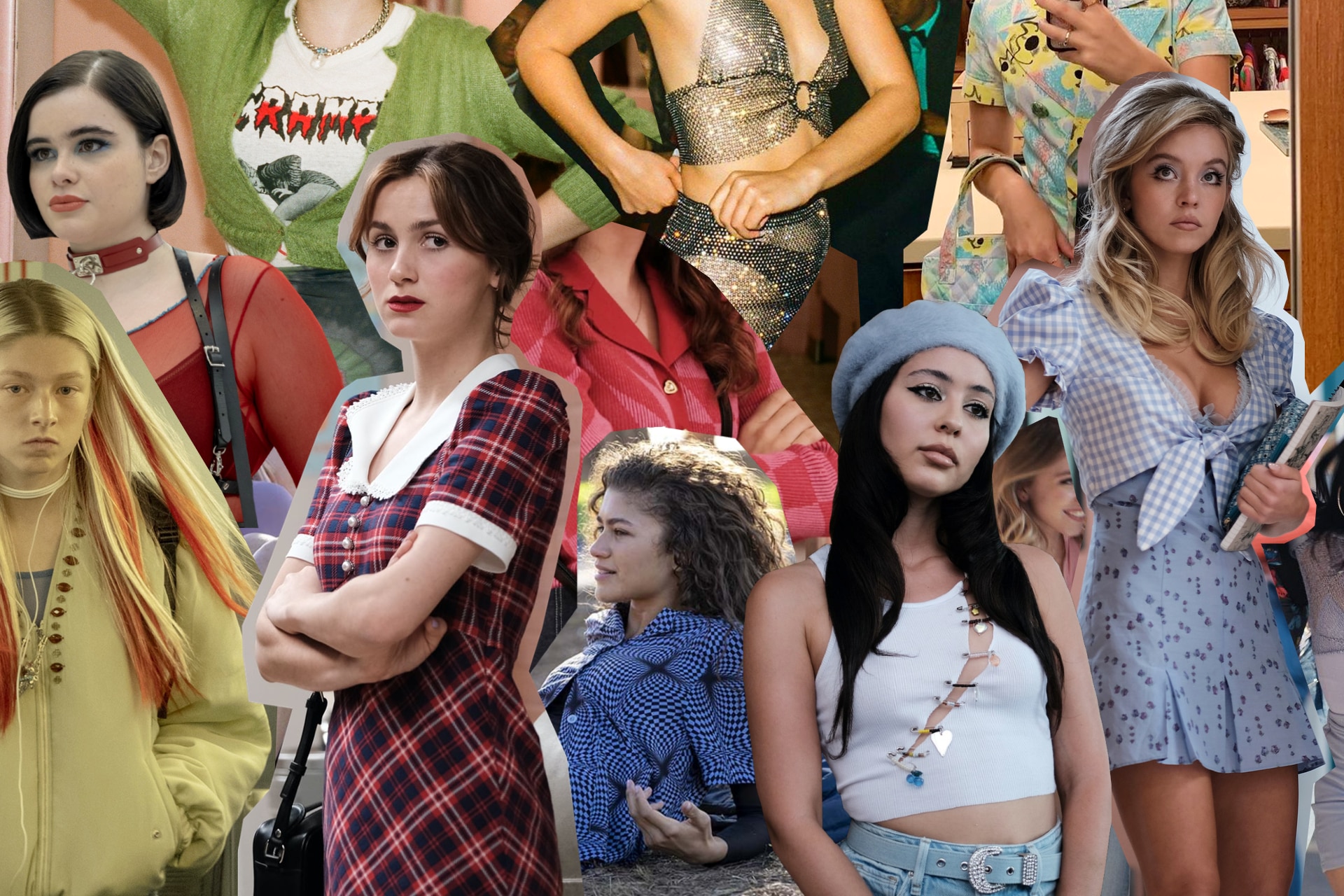
“Euphoria,” a popular HBO series, has had a significant impact on the fashion industry. Here are some of the ways the show influenced fashion:
- Experimentation with bold and eclectic styles: The show’s use of fashion, makeup, and special effects has been seen as a reflection of the generation’s creative and experimental nature. The series is known for its bold and eclectic style choices, featuring avant-garde pieces from well-known designers as well as one-of-a-kind, hand-made looks. This experimentation with bold and eclectic styles has encouraged others to push boundaries and be more daring with their own personal style.
- Representation of gender-nonconforming styles: The show features a diverse cast of characters who challenge societal norms and expectations, including their fashion choices. The series has helped to raise visibility for gender-nonconforming styles and has encouraged fashion designers to create more inclusive collections.
- Revival of vintage fashion: The show’s costume designer has incorporated vintage pieces from different decades into the characters’ wardrobes, helping to bring back forgotten styles and inspire a new generation of fashion enthusiasts.
- Makeup trends: The show’s use of bold and creative makeup looks has inspired a new wave of beauty trends, particularly in the use of glitter, bold eyeliner, and exaggerated lashes.
- Collaborations with fashion brands: The show’s popularity and cultural impact have led to several fashion collaborations, including partnerships with high-end fashion brands and streetwear labels.
In what ways did the show influence the make-up industry?

“Euphoria,” the popular HBO series, has had a significant impact on the makeup industry. Here are some of the ways the show influenced makeup:
- Bold and creative makeup looks: The show is known for its use of bold and creative makeup looks, including glitter, bold eyeliner, and exaggerated lashes, which have inspired a new wave of beauty trends. These looks have encouraged people to experiment with their own makeup and have pushed the boundaries of traditional beauty standards.
- Gender-inclusive makeup: The show features a diverse cast of characters, including those who challenge societal norms and expectations, including their makeup choices. The series has helped to raise visibility for gender-inclusive makeup and has encouraged makeup brands to create more inclusive collections and marketing campaigns.
- Increased focus on self-expression: The show’s use of makeup as a form of self-expression has encouraged people to view makeup as a tool for creativity and individuality, rather than just as a way to conform to traditional beauty standards.
- Collaborations with makeup brands: The show’s popularity and cultural impact have led to several makeup collaborations, including partnerships with high-end beauty brands and makeup artists.
The impact of the “film camera” trend used in euphoria

The “film camera” trend used in the show “Euphoria” refers to the show’s distinctive visual style, which features a dreamy, heightened reality that is achieved through the use of visual effects and a specific cinematography technique.
Here are some of the ways the “film camera” trend used in “Euphoria” has influenced the film and television industry:
- Increased use of visual effects: The show’s use of visual effects has inspired other filmmakers and television producers to experiment with visual effects and to incorporate them into their own work.
- Emphasis on cinematography: The show’s distinctive visual style has put a spotlight on the role of cinematography in creating a unique visual language and has encouraged filmmakers to pay more attention to the look and feel of their projects.
- Revival of the film camera: The show’s use of the film camera has helped to revive interest in the film camera and its unique capabilities, particularly among younger filmmakers and audiences.
- Inspiration for other shows: The success of “Euphoria” and its distinctive visual style has inspired other shows to experiment with visual effects and cinematography techniques, leading to a new wave of visually-stunning television series
How did gen-z relate the characters of euphoria to themselves on social media?

The characters in “Euphoria” have resonated with the Gen Z audience, and many have taken to social media to share their experiences and connect with the show’s themes. Here’s how Gen Z has related to the characters of “Euphoria” on social media:
- Relating to character experiences: Many young people have related to the experiences of the characters in the show, including their struggles with mental health, addiction, and navigating relationships. They have used social media to share their own experiences and to find a sense of community with others who can relate to the show.
- Emulating fashion and makeup looks: The bold and creative fashion and makeup looks of the characters in “Euphoria” have inspired many young people to experiment with their own style and to recreate the looks on social media.
- Identifying with specific characters: Young people have identified with specific characters in the show, such as Rue, Jules, Kat, and Cassie, and have shared memes, fan art, and other content on social media that showcase their love for these characters.
- Discussing themes: The show’s themes of identity, sexuality, and drug use have sparked conversations and debates on social media, particularly among Gen Z. Many have used social media to share their opinions and experiences and to engage in discussions about the show and its themes
- “Euphoria,” a popular HBO series that debuted in 2019, has had a significant impact on the Gen Z generation, who make up the majority of its target audience.
- Firstly, the show tackled a wide range of difficult and controversial topics, such as drug addiction, mental health, sexuality, and identity, in a raw and unflinching manner. This resonated with many young people who were struggling with similar issues and helped to spark important conversations and raise awareness about these topics.
- Additionally, the show’s visual style, which is characterized by bold and striking cinematography, helped to define a new aesthetic for the Gen Z generation. The vibrant and eclectic use of fashion, makeup, and special effects has been seen as a reflection of the generation’s creative and experimental nature.
- Furthermore, the show’s diverse and inclusive casting has helped to further the representation of marginalized communities, particularly in terms of LGBTQ+ representation. The characters and their stories challenge societal norms and expectations and provide a voice for those who often go unheard.
- Finally, the show has also influenced the way Gen Z views and interacts with technology. The show explores the dark side of social media and the internet and raises important questions about privacy, surveillance, and the impact of technology on mental health and well-being.
Does that also create an imposter syndrome among people watching those shows?
Yes, it is possible that shows and movies can contribute to the development of impostor syndrome in some viewers. Impostor syndrome is a psychological phenomenon in which individuals feel as though they are frauds, despite having achieved significant accomplishments, and fear being exposed as a result.
For many people, media can serve as a source of inspiration and motivation, but it can also create unrealistic expectations and pressure to live up to certain ideals. For instance, if a movie or TV show portrays a certain lifestyle or type of success as the norm, it can leave viewers feeling inadequate or like they don’t measure up. This can lead to feelings of insecurity and self-doubt, and contribute to the development of impostor syndrome.
Additionally, the media often portrays characters who are successful, confident, and always in control, creating an image of perfection that can be difficult to live up to. For some viewers, this can create feelings of inadequacy and lead to the belief that they are not as capable or deserving of success as others.
It’s important to keep in mind that shows and movies often present a curated and idealized version of reality, and it’s not always possible to achieve the same level of success or happiness as the characters portrayed. It’s also important to recognize and challenge negative self-talk and to focus on one’s own unique strengths and accomplishments.
Does relating to the character in a show/movie cause a hindrance in being yourself?
Relating to characters in shows and movies can have both positive and negative effects on an individual’s sense of self. On one hand, it can be empowering and comforting to see characters who share similar experiences, struggles, or perspectives, as it can make one feel less alone and validated.
On the other hand, if an individual begins to identify too closely with a fictional character, it can lead to a hindrance in being oneself. For example, an individual may adopt the personality traits, beliefs, or behaviours of the character they relate to, leading to a loss of their own unique identity.
Additionally, if an individual is exposed to a character who represents an idealized version of themselves, they may start to compare themselves unfavourably and feel like they are falling short. This can lead to feelings of insecurity, low self-esteem, and a sense that they are not good enough as they are.
In conclusion, while relating to characters in shows and movies can have positive effects, it’s important to maintain a healthy balance and not let these relationships become all-consuming. It’s crucial to remember that these characters are not real and that one’s own individuality and uniqueness are what make them special. Rather than trying to emulate fictional characters, it’s important to focus on developing and nurturing one’s own authentic self