


Fashion has always been a reflection of culture, trends, and individual expression. But now, more than ever, fashion is veiling a power beyond aesthetics; the power to create social impact. From eco-friendly production methods to ethical labor practices and social activism, fashion is a platform for promoting change and driving progress. By leveraging their global reach, fashion brands are able to bring attention to important issues, educate consumers about emerging trends, challenge existing standards, and ultimately shape how we think and act around the world. Through collaborations with socially conscious individuals, organizations, and causes, they can spark conversations that bring people of all different backgrounds together in support of common causes. By utilizing both traditional media outlets as well as digital channels such as social media platforms, fashion brands can promote messages of inclusiveness, sustainability, equality and other important social topics on a global scale. As fashion veils the power to create social impact, we are witnessing a paradigm shift in the way we consume fashion and what we expect from the industry. That’s certainly revolutionary!
Fashion brands leading the charge for social change
In recent years several brands have emerged as leaders in driving social change. These brands are using their influence and resources to tackle issues such as sustainability, diversity and inclusion, ethical labor practices, and more. From pioneering sustainable production methods to advocating for marginalized communities, fashion brands are leading the charge for social change.
One example of a brand making a significant impact is Patagonia. This outdoor clothing company has long been a champion of sustainability and ethical labor practices, using environmentally-friendly materials and processes and advocating for fair treatment of workers. They have also been vocal about issues such as climate change and public land conservation, using their platform to educate and mobilize consumers.
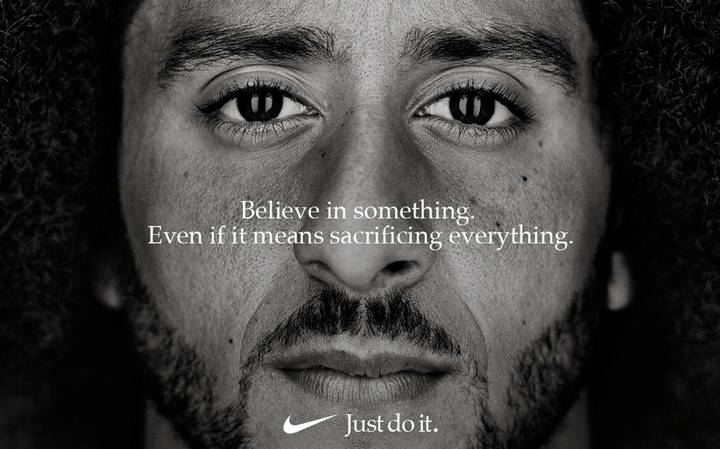
Similarly, Nike has become a leader in promoting diversity and inclusion in the fashion industry. Their “Dream Crazier” campaign celebrated female athletes and challenged gender stereotypes, while their collaborations with LGBTQ+ activists have raised awareness and support for the community. Nike’s commitment to social justice has also extended to their hiring and promotion practices, as they have made efforts to increase diversity in their workforce. In 2020, Nike launched its “You Can’t Stop Us” campaign, which featured a powerful video showcasing the resilience and perseverance of athletes in the face of challenges, including the COVID-19 pandemic and social justice movements. The campaign was widely praised for its message of unity and inclusivity.
In addition, Toms is known for their “one-for-one” business model. For every pair of shoes purchased, Toms donates a pair to a child in need. They have expanded their product line to include eyewear and coffee, and have continued their one-for-one model with those products as well.
Fashion has even been used as a tool for political activism. During the Women’s March in 2017, many participants donned pink “pussy hats” as a symbol of female empowerment and resistance to the Trump administration. Similarly, Black Lives Matter protests have utilized clothing and accessories with slogans like “I Can’t Breathe” to raise awareness for police brutality against Black Americans.
Fashion has also created opportunities for underrepresented groups to gain visibility and recognition. In 2019, the hijab-wearing model Halima Aden made history as the first model to wear a hijab and burkini in the Sports Illustrated Swimsuit Edition. Similarly, the brand Universal Standard has been praised for its inclusive sizing and body-positive messaging.
Beyond the runway: fashion events pioneering social impact for a better future

There have been several renowned fashion events and campaigns that have sparked conversations around social impact.
- Copenhagen Fashion Summit – This annual event is considered one of the most important sustainability conferences in the fashion industry. It brings together industry leaders, policymakers, and activists to discuss environmental and social issues related to fashion. The summit has been credited with helping to raise awareness about the environmental impact of fashion and encouraging brands to adopt more sustainable practices.
- The Met Gala – This high-profile fashion event has been used as a platform for social activism in recent years. The 2018 Met Gala theme, “Heavenly Bodies: Fashion and the Catholic Imagination,” sparked conversations about the intersection of fashion and religion. The 2019 Met Gala, “Camp: Notes on Fashion,” was a celebration of camp aesthetics and LGBTQ+ culture. This sparked conversations about queer representation in fashion and the broader culture.
- The #MeToo Movement and the fashion industry – The #MeToo movement sparked conversations about sexual harassment and assault in all industries, including fashion. Many models came forward with stories of mistreatment by photographers, designers, and other industry figures. This led to calls for greater accountability and transparency in the fashion industry.
- Project Runway’s first inclusive season – In 2020, Project Runway featured its first-ever cast of all sizes, including several plus-size models. The season sparked conversations about representation and body positivity in the fashion industry and was seen as a step towards greater inclusivity in fashion.
- A-COLD-WALL* at London Fashion Week – In 2018, fashion designer Samuel Ross presented his collection for A-COLD-WALL* at London Fashion Week. The collection was inspired by the Grenfell Tower fire in London, which claimed the lives of 72 people. Ross used the collection to raise awareness about the tragedy and to encourage donations to a charity supporting the victims.
The rise of influencer and celebrity philanthropy for social impact

The rise of influencer and celebrity philanthropy for social impact in the fashion industry is a positive development. It shows that the industry is not just focused on selling products, but also on using its influence to drive social change and create a better world. By partnering with influencers and celebrities and supporting social causes, fashion brands have the power to inspire positive action and make a difference in the lives of people around the world.
One example of this is the partnership between fashion brand Gucci and musician Harry Styles. Gucci launched a campaign in support of UNICEF’s Girls’ Empowerment Initiative, with Harry Styles as the face of the campaign. The campaign aimed to raise awareness and funds to help girls around the world gain access to education and other opportunities. This campaign not only raised a significant amount of money for UNICEF, but it also highlighted the importance of girls’ education and empowerment.
Another example is the work of supermodel Karlie Kloss, who founded Kode with Klossy to encourage girls to pursue careers in technology. The organization offers free coding camps to girls aged 13 to 18 across the United States, aiming to address the gender gap in the tech industry. Karlie’s philanthropic work shows how influencers and celebrities in the fashion industry can use their platforms to create opportunities for underrepresented groups and drive social change.
In conclusion, fashion has become a powerful tool for driving social change. By leveraging their influence and reach, fashion brands are using their platforms to support various social causes and spark conversations around important issues. From supporting environmental sustainability to advocating for social justice and equality, fashion brands are using their resources to make a positive impact on the world.
Moreover, the rise of influencer and celebrity philanthropy in the fashion industry has brought even more attention to important social issues. Influencers and celebrities are using their platforms to raise awareness, drive action, and create opportunities for underrepresented groups. Together, fashion brands, influencers, and celebrities are working towards creating a better world for everyone.
As consumers, we can support these efforts by being mindful of the brands we choose to purchase from and supporting those that align with our values. By supporting brands that are dedicated to driving social change and creating a positive impact, we can help build a better future for ourselves and future generations.