


Assuming the role of a mother and a father among moms and dads is a confusing phenomenon in itself. As a mother are you supposed to give your boy a “boy talk” from a woman’s perspective or as a father are you supposed to teach your daughter what it is to do household chores and how important it is to divide roles and responsibilities? This phenomenon holds a more significant position when it comes to same-sex parenting. It is because of so much love that it becomes hard to make decisions and choices as to who assumes what role when both want to do everything.
Same-sex parenting
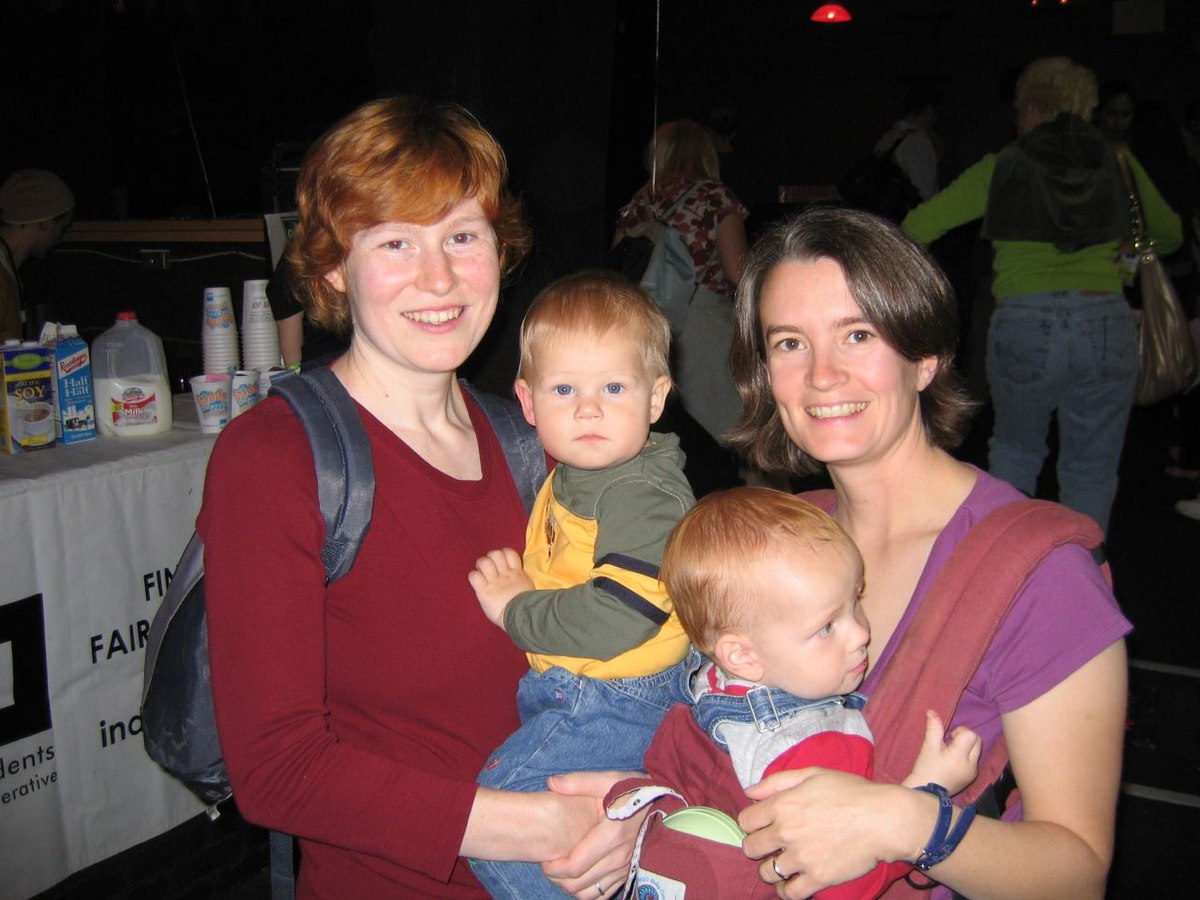
Same-sex parenting refers to the practice of same-sex couples or single LGBTQ+ individuals raising children. This can be done through various means, such as adoption, surrogacy, or foster parenting. Gay parenting has become more common and accepted in many parts of the world over the past few decades.
Research has shown that children raised by same-sex parents have similar outcomes to those raised by opposite-sex parents in terms of their emotional, social, and cognitive development. In fact, studies have found that children raised by same-sex parents may even have certain advantages, such as greater acceptance of diversity and more egalitarian gender roles.
Despite this, there are still some people who hold negative attitudes towards gay parenting, often based on stereotypes or misinformation. It is important to recognize that love, care, and stability are the most important factors in successful parenting, regardless of the parent’s sexual orientation
is it difficult to divide the roles and responsibilities of parenting among same-sex parents?

Dividing the roles and responsibilities of parenting among gay parents is not necessarily more difficult than for heterosexual parents. Like any other parents, same-sex parents may need to work together to determine who is responsible for various tasks, such as feeding, bathing, and childcare.
In some cases, same-sex parents may need to be more intentional about dividing parenting responsibilities, as they may not have traditional gender roles to rely on. For example, in a two-dad household, one dad may take on more of the household and childcare duties traditionally associated with mothers.
However, just like any other parents, same-sex parents can work together to communicate effectively and establish clear expectations and roles. They may also seek support from family members, friends, or professionals to help them navigate the challenges of parenting.
Ultimately, the key to successful parenting is not the gender or sexual orientation of the parents, but rather their commitment to working together to provide a loving and supportive home for their children.
Is there any confusion as to who assumes the role of a mother and that of a father in same-sex parenting?

In same-sex parenting, there is no set role for who assumes the role of a mother or father. Instead, same-sex parents may divide parenting responsibilities based on their individual strengths and preferences.
For example, in a two-mom household, one mom may take on more of the household duties and the other may take on more of the financial responsibilities. Similarly, in a two-dad household, one dad may take on more of the childcare duties and the other may take on more of the household maintenance.
It’s important to note that gender roles and expectations are socially constructed and can vary greatly across cultures and time periods. There is no inherent or natural way that a mother or father should behave or contribute to parenting. What matters most is that the parents work together to provide a safe, nurturing, and supportive environment for their children.
Children raised in same-sex households have been found to be just as healthy and well-adjusted as those raised in opposite-sex households, and research has shown that the gender of parents is not a predictor of parenting quality or child outcomes. Ultimately, the most important factor in successful parenting is the love and commitment of the parents to their children.
How can same-sex parent divide their roles and responsibilities effectively?

Same-sex parents can divide their roles and responsibilities effectively by communicating openly and honestly with each other about their strengths, preferences, and needs. Here are some tips on how to do this:
- Start by having an open and honest conversation with your partner about your expectations, strengths, and weaknesses. Make sure you listen to each other’s perspectives and work together to find a plan that works for both of you.
- Consider dividing tasks based on your strengths and interests. For example, if one partner enjoys cooking, they may take on more of the meal preparation, while the other partner may take on more of the household cleaning.
- Be flexible and willing to make adjustments as needed. Parenting roles and responsibilities may shift over time as children grow and family circumstances change. Be open to renegotiating responsibilities if needed.
- Create a schedule or checklist to help you stay organized and on track. This can be especially helpful when managing multiple children or complex schedules.
- Seek support from family, friends, or professionals when needed. It’s okay to ask for help, and having a strong support system can help you manage the challenges of parenting.
Remember that there is no one “right” way to divide parenting responsibilities, and what works for one family may not work for another. The most important thing is that you work together as a team to provide a safe, nurturing, and supportive environment for your children
What are a few stereotypes attached to same sex parenting ?

There are several stereotypes attached to same-sex parenting, many of which are not based on evidence or research. Here are a few examples:
- Same-sex parents are not as good at parenting as opposite-sex parents: This stereotype assumes that having a mother and a father is necessary for raising healthy and well-adjusted children. However, research has shown that children raised by same-sex parents are just as healthy and well-adjusted as those raised by opposite-sex parents.
- Same-sex parents are more likely to raise gay children: This stereotype assumes that homosexuality is a learned behavior or a choice, rather than a natural variation in human sexuality. However, research has shown that sexual orientation is determined by a combination of biological, environmental, and cultural factors, and that having same-sex parents does not increase the likelihood of a child being gay.
- Same-sex parents are more likely to be promiscuous or sexually deviant: This stereotype assumes that homosexuality is associated with sexual promiscuity or deviant behavior. However, research has shown that sexual orientation is not linked to these behaviors, and that same-sex parents are just as likely to have healthy and committed relationships as opposite-sex parents.
- Same-sex parents will confuse their children about gender roles and expectations: This stereotype assumes that children need a mother and a father to learn appropriate gender roles and expectations. However, research has shown that gender roles and expectations are socially constructed and can vary greatly across cultures and time periods. What matters most is that children are raised in a loving and supportive environment, regardless of the gender of their parents.
It’s important to challenge these stereotypes and recognize that same-sex parents are just as capable of providing a safe, nurturing, and supportive environment for their children as opposite-sex parents
Cosmic guide for same sex parenting

Here are some tips for same-sex parenting:
- Communicate openly and honestly with your partner: It’s important to have open and honest communication with your partner about your parenting goals, values, and expectations. Discuss how you plan to divide parenting responsibilities, discipline your children, and handle conflicts.
- Seek out community and support: Connect with other same-sex parents in your community or online. Join a support group or attend a parenting class to learn new skills and strategies. Having a strong support system can help you navigate the challenges of parenting and provide a sense of community and belonging.
- Focus on your child’s needs: Remember that your child’s needs come first. Avoid getting caught up in stereotypes or societal expectations and focus on what’s best for your child. Provide a safe, loving, and nurturing environment, and be supportive of their interests and identity.
- Advocate for your family: Be an advocate for your family and stand up against discrimination or prejudice. This may include advocating for inclusive policies at your child’s school or advocating for equal rights for same-sex parents in your community or country.
- Celebrate your family’s uniqueness: Every family is unique, and that’s something to celebrate. Embrace your family’s diversity and create traditions and rituals that reflect your family’s values and beliefs
Movies/shows that have highlighted the awareness around same-sex parenting?

Here are some movies and TV shows that have highlighted the awareness around gay parenting:
- “The Kids Are All Right” (2010) – This movie tells the story of a lesbian couple and their two children, who were conceived using a sperm donor. When their children reach out to their biological father, their family dynamic is thrown into turmoil.
- “Modern Family” (2009-2020) – This popular TV sitcom features a gay couple, Mitchell and Cameron, who adopt a baby girl from Vietnam. The show explores the challenges and joys of parenting for this modern family.
- “A Kid Like Jake” (2018) – This movie tells the story of a couple struggling to find the right kindergarten for their gender-nonconforming son, Jake. The couple, played by Claire Danes and Jim Parsons, grapple with their own fears and biases as they try to support their son’s identity.
- “One Mississippi” (2015-2017) – This TV show follows a comedian named Tig, who returns to her hometown in Mississippi after her mother’s death. Tig’s brother and his husband are in the process of adopting a child, and the show explores their experiences as gay parents.
- “Queer Eye” (2018-present) – This popular reality TV show features a group of gay men who provide makeovers and advice on fashion, grooming, and lifestyle. In several episodes, the Fab Five work with families that include same-sex parents, helping them to navigate the challenges of modern parenting.
These movies and TV shows have helped to raise awareness and promote acceptance of same-sex parenting in popular culture.